

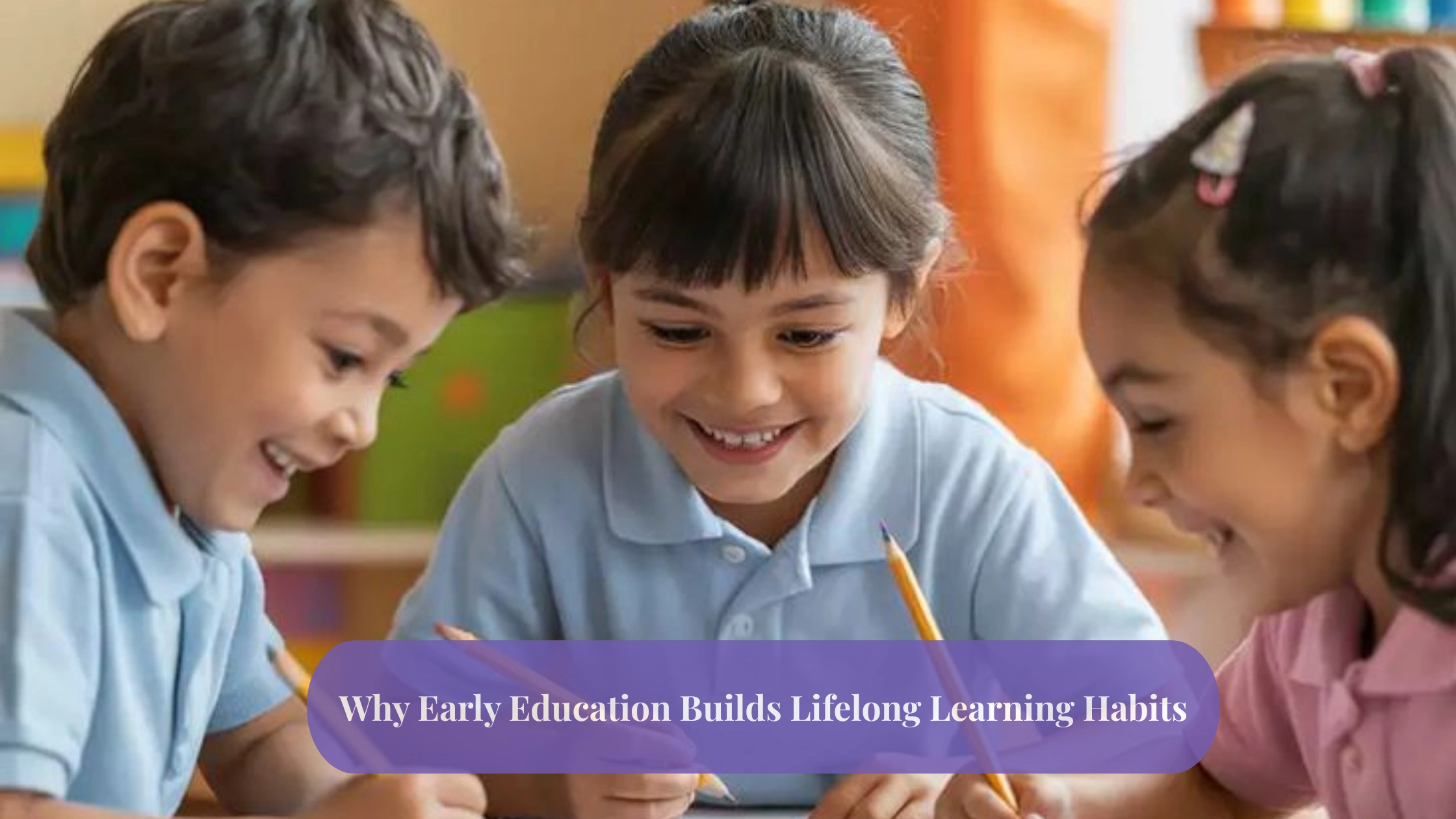
The reason Why Early Education Builds Lifelong Learning Habits lies in the fact that it enables young children to develop curiosity, discipline, and confidence at a tender age. As learning is initiated in structured learning environments like the Best Daycare in Abu Dhabi, kids develop learning attitudes that remain with them throughout their lives.
Why do lifelong learning habits start in early childhood?
Children are natural explorers of the world around them. They do this through observation, playing, and inquiring. Early education takes this natural curiosity and molds it into a learning experience. When children are exposed to reading, storytelling, and creative activities at a young age, they start to associate learning with enjoyment, rather than obligation.
A preschool in Abu Dhabi that offers a nurturing environment may encourage this exploration through activities that stimulate their minds and help them develop their language and social skills. This helps them realize that learning is a lifelong experience, rather than a temporary necessity.
Helping children develop this frame of mind at a young age makes them more flexible when they face new challenges and ideas as they mature.
How does early responsibility shape learning behavior?
Understanding Why Teaching Responsibility Should Start At Early Age is a major contributor to the development of effective study skills. Children who are encouraged to be responsible for small things, such as keeping materials organized, cleaning up after a lesson, or adhering to a schedule, start to grasp the concept of responsibility.
Teaching responsibility to children will instill self-discipline in them, which is a vital ingredient for academic achievement. Children will not totally depend on what they are told to do; they will start to own up to the process of learning.
Early responsibility will instill in children the idea that hard work pays off, thus creating a positive attitude towards studies.
Can social interaction strengthen learning habits?
Learning is not confined to reading books or doing worksheets. Social interactions are beneficial to children. Children learn to interact socially, which helps them develop communication skills. Children in a Daycare in Musaffah have the opportunity to interact socially. Children are encouraged to work in groups to enhance teamwork.
This experience helps children develop concentration skills. Children who are comfortable interacting socially are more likely to be confident when participating in class.
How does early education support leadership and independence?
Good learning skills also play a role in leadership development. When children are encouraged to ask questions, solve problems, and be independent, they start to develop their independence and critical thinking skills.
This concept is closely related to How Early Learning Creates Future Leaders, which focuses on how early education helps children develop their decision-making skills and confidence. By allowing them to explore their ideas and opinions, they are able to think independently without offending others.
All these skills can lead to their academic and personal development.
What role do parents and educators play in lifelong learning?
It is important that parents and teachers work together to provide the best environment for a child to learn. Children can thrive in an environment that offers stability, which can come from a consistent home and school setting that promotes curiosity and exploration.
Parents can continue to support their child’s early learning by actively engaging with them, asking questions, and praising their efforts. Teachers can support this by offering structured guidance, creative opportunities for learning, and support with their emotions.
When a child gets support from both their home and school environment, they start to see that learning can be a fun and important part of their life.