

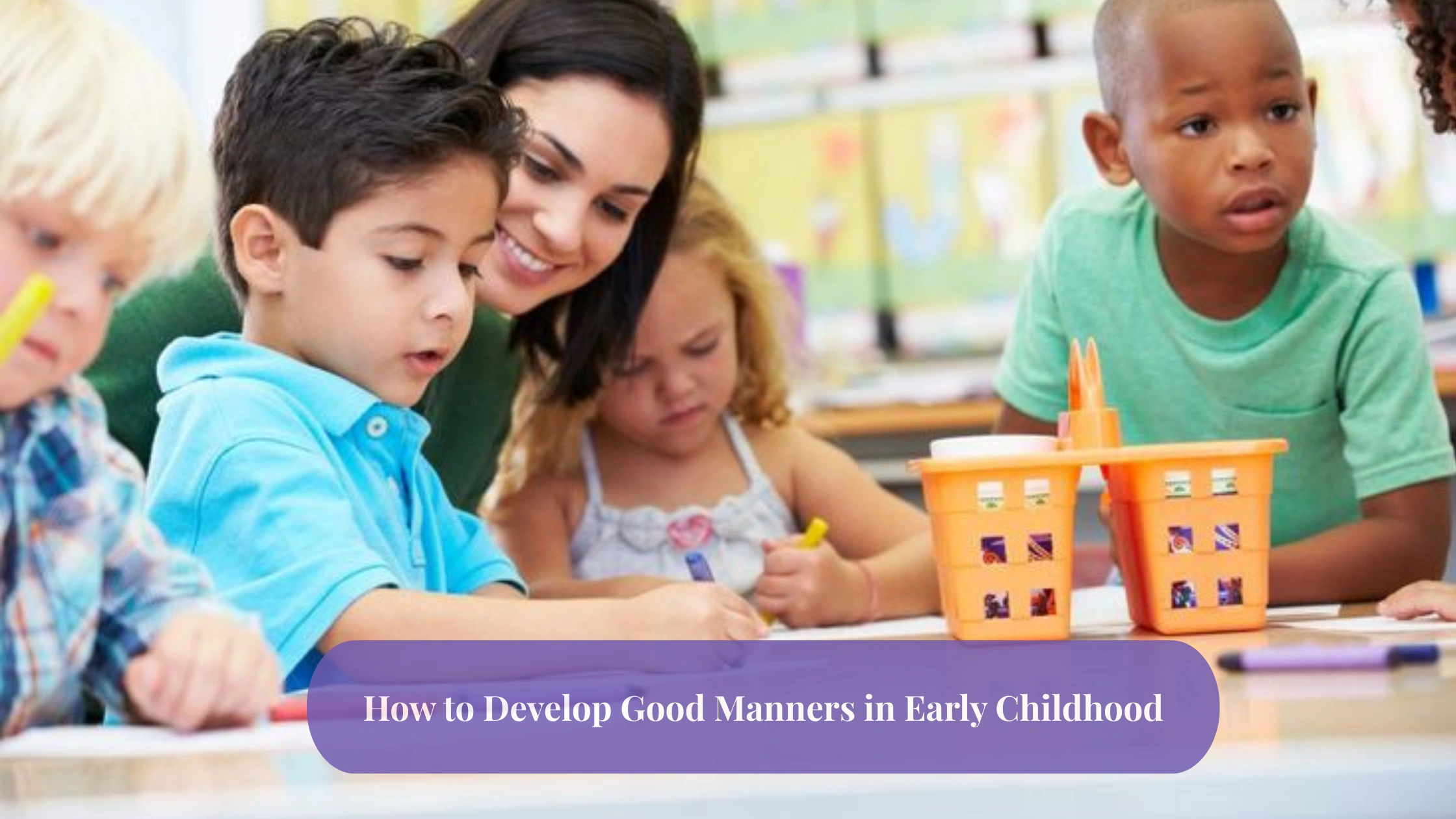
How to Develop Good Manners in Early Childhood involves teaching respect, kindness, and responsible behavior through everyday interactions. When children learn these values early both at home and in environments like the Best preschool in Abu Dhabi they develop habits that shape positive relationships, emotional intelligence, and confident social behavior throughout life.
Why is early childhood the best time to teach good manners?
1. Children learn behaviors through observation
Early childhood is a crucial stage when children naturally imitate what they see. When adults consistently demonstrate politeness and respect, children begin to adopt those behaviors. Simple actions such as greeting others, saying “please” and “thank you,” and waiting patiently help children understand the importance of respectful communication.
2. Structured learning environments reinforce polite behavior
In a supportive daycare in Abu Dhabi, teachers guide children through everyday interactions that promote cooperation and kindness. Activities like group storytelling, collaborative play, and classroom routines help children practice respectful behavior in real-life situations.
Children who learn manners early often develop stronger friendships and greater emotional control as they grow.
How can parents teach good manners at home?
1. Lead by example in daily interactions
Parents play a powerful role in shaping behavior. When adults communicate respectfully, listen carefully, and express gratitude, children naturally copy these habits.
For example, thanking someone for help, speaking politely during disagreements, and showing patience during conversations demonstrate practical lessons in courtesy.
2. Encourage consistent practice
Children develop good manners through repetition. Encouraging them to greet guests politely, help with small tasks, and express appreciation regularly strengthens these behaviors over time.
How does responsibility influence polite behavior?
1. Responsibility builds self-discipline
Understanding Why Teaching Responsibility Should Start at an Early Age is essential when developing manners. When children take part in small responsibilities such as cleaning up toys or helping organize learning materials they learn accountability and respect for shared spaces.
Responsibility also teaches children that their actions affect others, encouraging thoughtful behavior and cooperation.
How do daycare environments support social manners?
1. Social interaction provides real-life learning
Children develop manners most effectively through interaction with others. In a Daycare in Musaffah, children participate in group activities that teach patience, sharing, and respectful communication.
Teachers often guide children through situations such as resolving small conflicts, asking for help politely, or listening while others speak. These experiences help children practice social etiquette in a safe and supportive environment.
How do good manners connect to leadership skills?
1. Respectful communication builds influence
Polite behavior helps children communicate clearly and build trust with others. These qualities align closely with the ideas behind How Early Learning Creates Future Leaders, where early experiences shape confidence and interpersonal skills.
Children who learn to listen, cooperate, and treat others kindly often emerge as natural leaders in group settings. They gain the ability to guide peers positively while maintaining respect and empathy.