

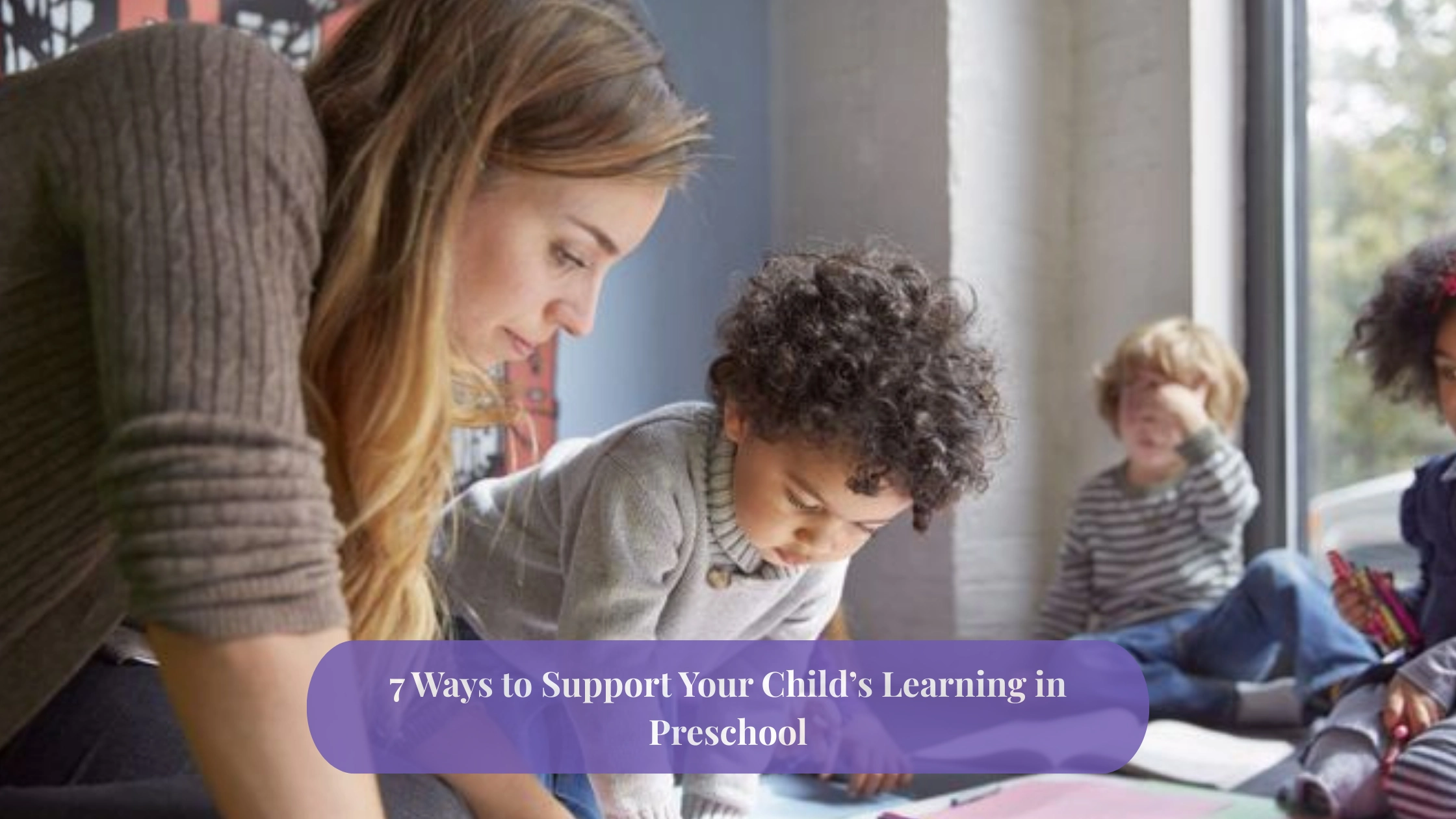
Starting preschool is a big step not just for children, but for parents too. Many children take less time to settle down, and learning does not have to stop at the classroom door. Small efforts that one can make at home, such as following simple routines, encouraging curiosity, and making the children independent, can make a remarkable difference. When home and preschool go hand in hand, the child feels safer, more confident, and ready to learn, especially in a preschool in MBZ.
How can parents actively support learning during the early years?
Choosing the right learning environment is the first step. A quality preschool in MBZ provides engaging play activities, social interactions, and age-appropriate learning experiences. When parents reflect these routines and activities at home, children feel familiar and comfortable, making learning feel natural rather than forced.
Why does routine matter for preschool learning?
Preschool-aged children thrive on predictability. Simple routines such as regular mealtimes, bedtime stories, and scheduled creative play provide a sense of security. This emotional stability allows children to focus better, participate confidently, and enjoy their classroom activities whether at an Abu Dhabi preschool or a daycare in Abu Dhabi.
How does communication at home improve classroom confidence?
Talking with your child about their day strengthens both language skills and emotional understanding. Ask open-ended questions, listen attentively, and encourage them to share stories. When children feel heard and valued at home, they are more likely to express themselves confidently during group activities at the best nursery in Musaffah.
When should responsibility be introduced in preschool years?
Many parents underestimate how early children can learn responsibility. Understanding why teaching responsibility should start at an early age helps parents introduce small, manageable tasks like packing school bags, tidying up toys, or choosing outfits. These habits build independence, decision-making skills, and self-discipline qualities that directly support classroom readiness.
How can parents recognize learning readiness?
Every child develops at their own pace. By observing common milestones, such as those mentioned in 5 Signs Your Child Is Ready for Preschool, parents can better understand when and how to support their child. Readiness is not about academic pressure—it’s about emotional comfort, curiosity, and the ability to engage with others.
What role does play have in real learning?
Play is not separate from learning, it is an essential part of it. Activities like pretend play, drawing, building blocks, and puzzles help children explore ideas, solve problems, and express emotions. When parents value and encourage play at home, children carry that confidence and creativity into structured preschool environments.
How can parents partner effectively with educators?
Strong communication between parents and teachers creates consistency in a child’s learning experience. Sharing observations, discussing challenges, and following suggested activities at home ensure children receive aligned support. This partnership reinforces skills learned during preschool hours and helps children feel supported from all sides. Key takeaway: When parents align home routines with preschool practices, children develop confidence, independence, and a genuine love for learning. Supporting early education isn’t about pressure; it’s about presence, patience, and purposeful guidance that nurtures social, emotional, and academic growth.