

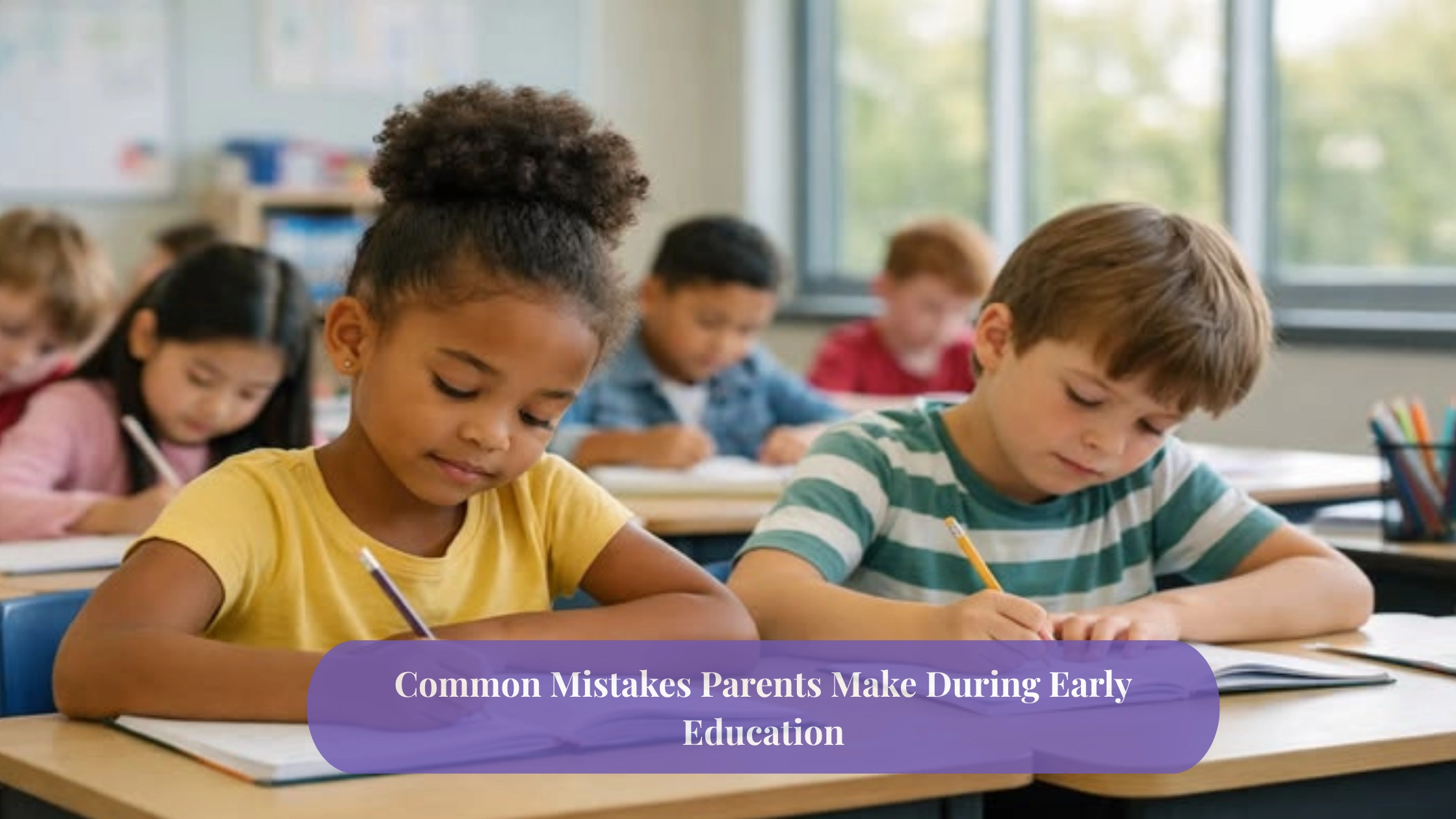
Common Mistakes Parents Make During Early Education often include focusing only on academics, comparing children, and overlooking emotional development. Enrolling your child in the best preschool in Musaffah and supporting their individual learning journey can help create a balanced foundation for long-term growth and success.
1. Why do parents sometimes put too much focus on academics?
Is early education only about reading and writing?
Many parents believe early education should revolve around letters, numbers, and worksheets. While academic skills are important, they are only one part of a child’s development.
Early education should also nurture communication, creativity, emotional intelligence, and social interaction. Children who enjoy learning are more likely to remain motivated throughout their education.
What should parents prioritize?
Parents should encourage curiosity, play-based learning, and opportunities for exploration instead of expecting immediate academic perfection.
2. Why is comparing children a common mistake?
Does every child learn at the same pace?
Every child develops differently. Comparing milestones with siblings or classmates can create unnecessary pressure and reduce a child’s confidence.
A quality nursery in MBZ understands that learning is individual and adapts activities to suit different developmental stages rather than expecting identical progress from every child.
How can parents encourage healthy growth?
Celebrate individual achievements and recognize effort instead of comparing results. Positive encouragement helps children develop confidence and resilience.
3. How does choosing the wrong preschool affect learning?
What should parents consider before enrolling?
One of the biggest mistakes is selecting a preschool based only on location or fees. Understanding how to choose the best KG for your child involves evaluating the curriculum, teacher qualifications, classroom environment, safety standards, and opportunities for social and emotional development.
Why does the learning environment matter?
A supportive environment encourages children to explore, communicate, and build independence while feeling safe and valued.
4. Why shouldn’t emotional development be overlooked?
How do emotions affect learning?
Children learn best when they feel secure and understood. Emotional well-being influences attention, memory, communication, and confidence.
A nurturing KG school MBZ provides opportunities for children to express feelings, build friendships, and develop positive relationships with teachers and classmates.
What can parents do at home?
Listening patiently, encouraging open conversations, and acknowledging emotions help children build emotional resilience that supports learning.
5. How can parents build lifelong learning habits?
Why does consistency matter?
Learning should continue beyond the classroom. Reading together, encouraging questions, and involving children in everyday activities help reinforce what they learn at preschool.
This approach aligns with Why Early Education Builds Lifelong Learning Habits, where consistent encouragement helps children develop curiosity, discipline, and a positive attitude toward learning.
How do parents and teachers work together?
Regular communication with educators helps parents understand their child’s progress and identify ways to provide additional support at home.
Conclusion
Early education is about much more than preparing children for school—it is about nurturing confident, curious, and emotionally healthy learners. By avoiding common parenting mistakes, choosing the right preschool, and supporting learning both at home and in the classroom, parents can help children develop the skills and mindset needed for lifelong success.