


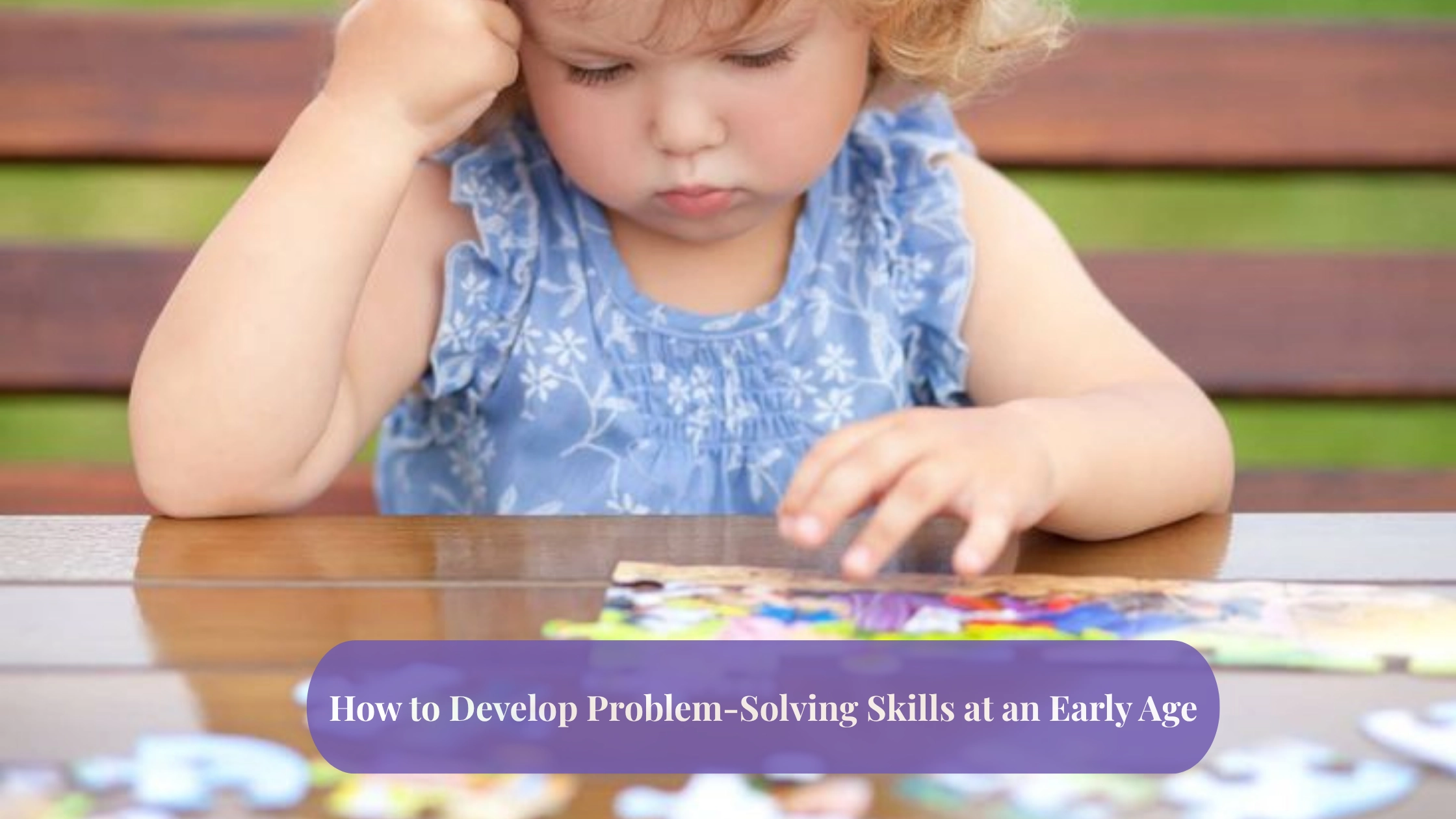
How to Develop Problem-Solving Skills at an Early Age focuses on helping children think independently, make decisions, and handle challenges through guided learning and everyday experiences. In structured environments like the Best daycare in Abu Dhabi, children are encouraged to explore solutions, ask questions, and build confidence in their thinking abilities.
1. Why are problem-solving skills important in early childhood?
How do these skills shape a child’s development?
Problem-solving is more than finding answers; it teaches children how to think. When children learn to approach challenges calmly, they develop patience, creativity, and logical reasoning.
In structured settings such as a Kids daycare in MBZ, children are given opportunities to solve small challenges through play, group activities, and guided exploration. These experiences help them understand cause and effect while boosting confidence.
Children who develop these skills early are more adaptable and confident when facing new situations.
2. How can parents encourage problem-solving at home?
What simple methods work effectively?
Parents can support problem-solving by allowing children to think before offering help. Asking questions like “What do you think we should do?” encourages independent thinking.
Providing puzzles, building blocks, and creative play activities allows children to explore different solutions. Small everyday decisions like choosing clothes or organizing toys also strengthen decision-making skills.
Why consistency matters
When children are given regular opportunities to solve problems, they begin to trust their own thinking. This consistency builds confidence and resilience over time.
3. How do daycare environments strengthen these skills?
What role does guided learning play?
In a supportive Daycare in Musaffah, teachers create scenarios where children can think, explore, and solve problems together. Activities such as group games, storytelling, and role play encourage children to find solutions collaboratively.
How does peer interaction help?
Working with peers exposes children to different perspectives. They learn negotiation, teamwork, and communication skills that are essential for solving problems in real-life situations.
4. How does problem-solving connect to leadership development?
Why early thinking skills matter for the future
Problem-solving is a core part of leadership. The concept behind How Early Learning Creates Future Leaders shows that children who can think independently and make decisions grow into confident individuals.
When children are encouraged to explore solutions instead of relying on instructions, they develop initiative and responsibility qualities seen in strong leaders.
5. How can parents choose the right environment for skill development?
What should you look for in a daycare or preschool?
Parents should focus on environments that encourage curiosity, creativity, and independent thinking. When exploring Tips to Search for the Right Kindergarten in UAE, consider factors like teaching approach, teacher interaction, and activity-based learning.
Why environment matters
A supportive environment ensures children feel safe to try, fail, and try again. This process is essential for developing strong problem-solving abilities.
Conclusion
Developing problem-solving skills at an early age helps children become confident thinkers who can handle challenges independently. With the right support from parents and structured environments like daycare and preschool, children learn to explore solutions, make decisions, and grow through experience. These essential skills build a strong foundation for academic success and future leadership.