

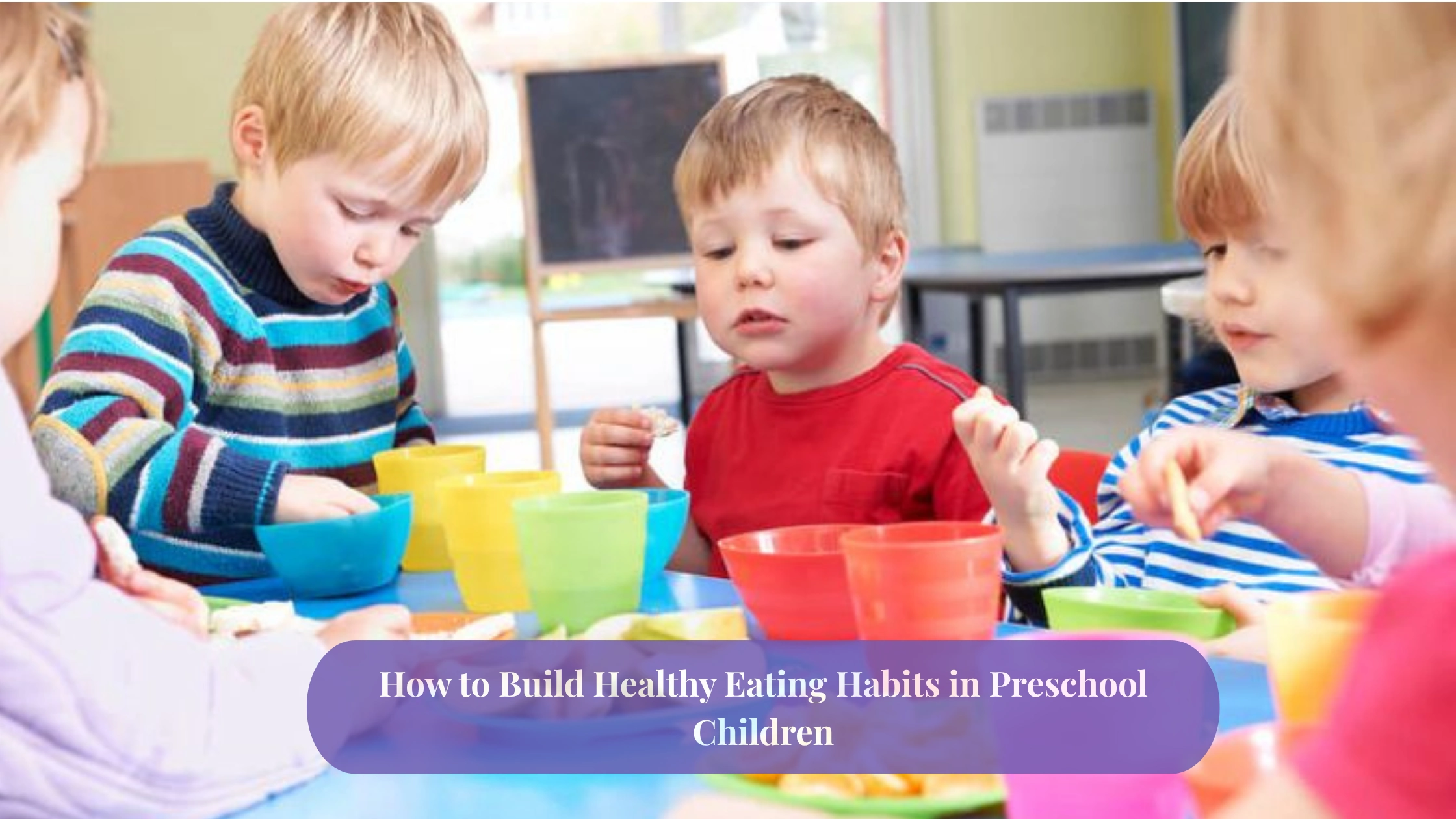
How to Build Healthy Eating Habits in Preschool Children involves creating simple mealtime routines, offering nutritious foods regularly, and allowing children to explore different tastes without pressure. Parents and teachers can support this process by setting healthy examples, involving children in food-related activities, and making balanced eating a normal and enjoyable part of daily life at Preschool in Abu Dhabi.
Why Are Healthy Eating Habits Important for Preschool Children?
Preschool children are growing quickly, so the food they eat plays an important role in their physical development, energy levels, and ability to learn. The habits they develop at this age can also influence their food choices as they grow older.
Children attending preschool in Abu Dhabi may spend several hours each day learning, playing, and interacting with others. Providing balanced meals and healthy snacks helps them stay active and focused throughout the day.
Healthy eating does not mean making every meal perfect. It means helping children become comfortable with nutritious foods and teaching them that food is an important part of taking care of their bodies.
How Can Parents Make Healthy Food More Interesting?
Children are naturally curious, but they can also be very selective about food. A vegetable that is refused today might become a favourite after several attempts. Parents should therefore avoid giving up after one unsuccessful introduction.
Try presenting foods in different ways. Carrots can be served raw, steamed, or mixed into another meal. Fruits can be added to yogurt or served as a simple snack.
Giving children variety without forcing them to eat helps create a more positive relationship with food.
How Can Preschool Activities Teach Children About Healthy Food?
Children often learn better when they can see, touch, and participate in an activity. Teachers can introduce simple activities involving fruits, vegetables, food colours, cooking, gardening, and healthy eating.
For example, children can identify different fruits, sort foods by colour, wash vegetables, or help prepare a simple snack under adult supervision. These activities make healthy eating easier for children to understand.
A Best Preschool in Musaffah can also connect these activities with basic lessons about hygiene, counting, communication, and independence.
This is closely connected to How Preschool Activities Prepare Children for Real Life Situations, because children are learning practical skills that they can use outside the classroom.
What Should Parents Do When Their Child Is a Picky Eater?
Picky eating is common during the preschool years. Some children may strongly prefer a small number of familiar foods, while others may dislike certain textures or smells.
Instead of forcing a child to finish everything on the plate, parents can offer familiar food alongside something new. This gives the child an opportunity to try the new food without feeling pressured.
It is also helpful to avoid using sweets as a reward for eating vegetables or other healthy foods. Children should learn to enjoy nutritious food because it tastes good and helps them feel well, not because they will receive a treat afterward.
How Can Mealtime Routines Encourage Better Eating?
Children benefit from predictable routines. Having meals and snacks at roughly consistent times helps them understand when it is time to eat.
Family meals can also become a useful learning opportunity. Children can watch adults eating different foods, practise using utensils, drink water, and learn simple table manners.
For children attending Kids daycare in MBZ, similar routines at daycare and home can make healthy habits easier to maintain.
Parents should also reduce distractions such as television and phones during meals. A calm environment allows children to pay attention to their food and recognise when they are full.
How Does Emotional Well-Being Affect Eating Habits?
Eating is not only a physical activity. Children can sometimes eat less when they are tired, worried, frustrated, or upset. A stressful mealtime can also make children more resistant to trying new foods.
This is one reason Why Emotional Intelligence Matters in Early Childhood. When children learn to recognise and communicate their feelings, they can gradually become better at expressing whether they are hungry, full, uncomfortable, or simply not ready to try a particular food.
Parents and teachers can support this by listening to children instead of immediately reacting when they refuse food.
How Can Parents Encourage Healthy Eating Every Day?
Small habits can make a big difference. Keep fruits and other nutritious snacks easily available, encourage regular water intake, involve children in simple food preparation, and let them make limited choices.
For example, asking a child whether they want an apple or a banana gives them some independence while keeping both options healthy.
The most effective way to build healthy eating habits is through consistency, patience, and positive examples. When children regularly see adults making healthy choices and experience relaxed mealtimes, nutritious eating can gradually become a normal part of their everyday lives.