

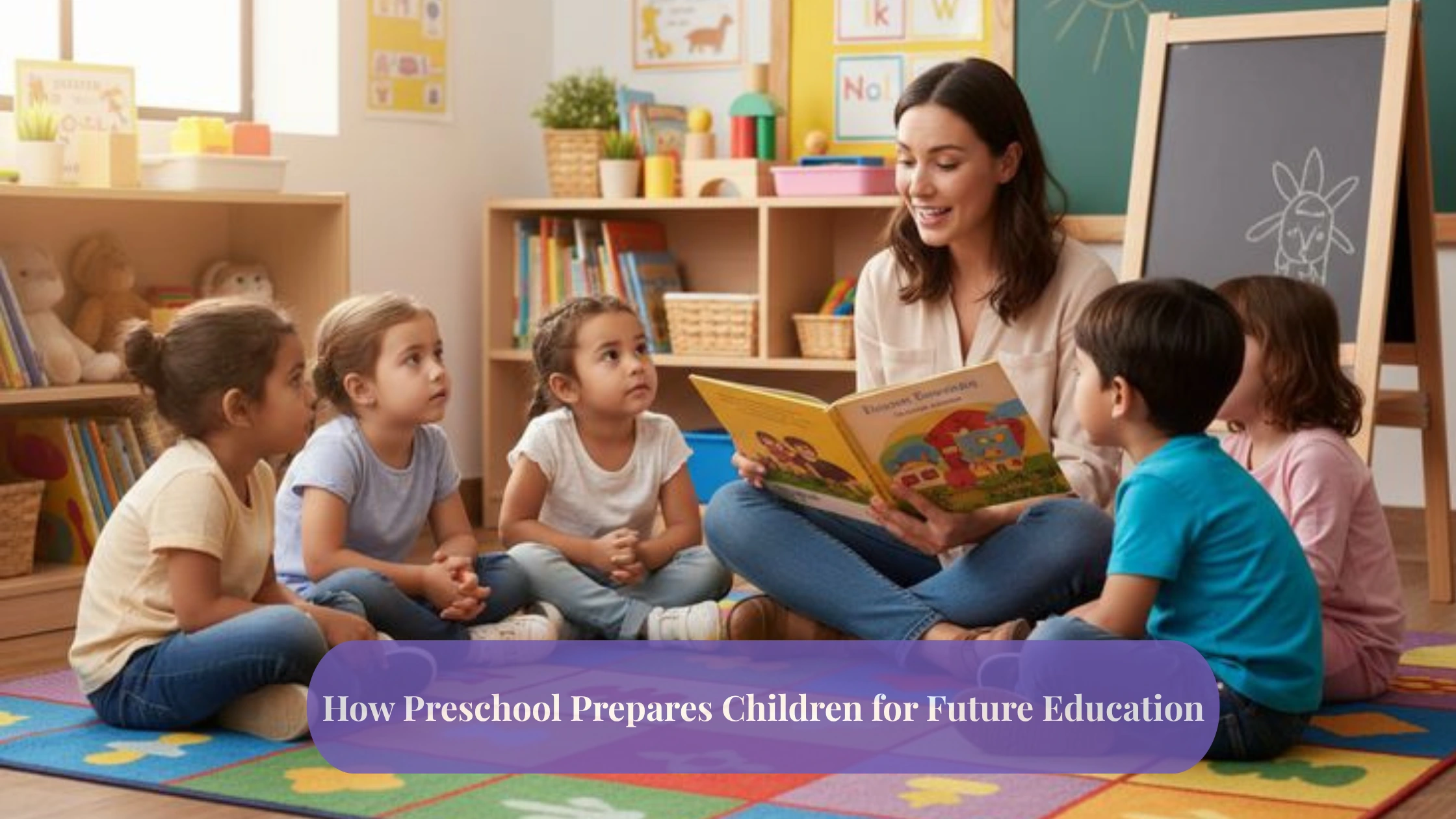
How Preschool Prepares Children for Future Education is reflected in the way early learning develops communication, confidence, social interaction, and independent thinking. Enrolling children in a structured preschool in MBZ helps them build the emotional and academic foundation needed to adapt successfully to future educational environments.
1. Why is preschool important before formal education?
How does preschool support early development?
Preschool introduces children to structured learning in a supportive and engaging way. It helps them adjust to routines, follow instructions, and interact with peers outside their home environment.
A quality preschool in Abu Dhabi encourages learning through play, storytelling, creative activities, and group interaction. These experiences help children become more comfortable in classroom settings before entering primary school.
Why do routines matter?
Daily schedules help children understand discipline, time management, and responsibility. Consistent routines also create emotional security, which improves focus and participation.
2. How does preschool improve communication and social skills?
Why is social interaction essential?
Children develop confidence when they interact regularly with peers and teachers. Preschool environments encourage sharing, listening, teamwork, and respectful communication.
In a nurturing best Nursery in Musaffah, children participate in group activities that help them express emotions, solve minor conflicts, and build friendships naturally.
How does communication impact future learning?
Strong communication skills help children ask questions, understand instructions, and participate actively in future classrooms. These abilities support academic performance and emotional growth.
3. How does preschool encourage independent thinking?
Why should children solve problems early?
Preschool activities often involve puzzles, creative tasks, and decision-making games that challenge children to think independently. This directly supports concepts from How to Develop Problem-Solving Skills At Early Age, where children learn to explore solutions instead of relying entirely on adults.
How does this improve confidence?
When children successfully solve small problems on their own, they develop confidence and resilience. These qualities help them approach future academic challenges with a positive mindset.
4. Can preschool help shape future leaders?
How does early learning influence leadership qualities?
Leadership begins with confidence, communication, and responsibility. These traits are developed gradually during preschool years through teamwork, classroom participation, and guided independence.
This closely connects with How Early Learning Creates Future Leaders, where children learn to express ideas, collaborate with others, and take initiative during activities.
Why does early confidence matter?
Children who feel capable and supported are more likely to participate actively in learning environments and develop strong decision-making abilities later in life.
5. How can parents support preschool learning at home?
What simple habits strengthen learning?
Reading together, encouraging curiosity, and allowing children to make simple choices at home reinforce preschool learning. Parents should also create positive conversations around school to build excitement and confidence.
Why is consistency important?
When home and preschool environments support similar values and routines, children adapt more easily and develop stronger learning habits.
Preschool prepares children for future education by building confidence, communication, independence, and emotional readiness.
Early education is more than academic preparation—it shapes how children think, interact, and approach learning throughout life. With the right preschool environment and parental support, children develop the skills and mindset needed for long-term educational success.