

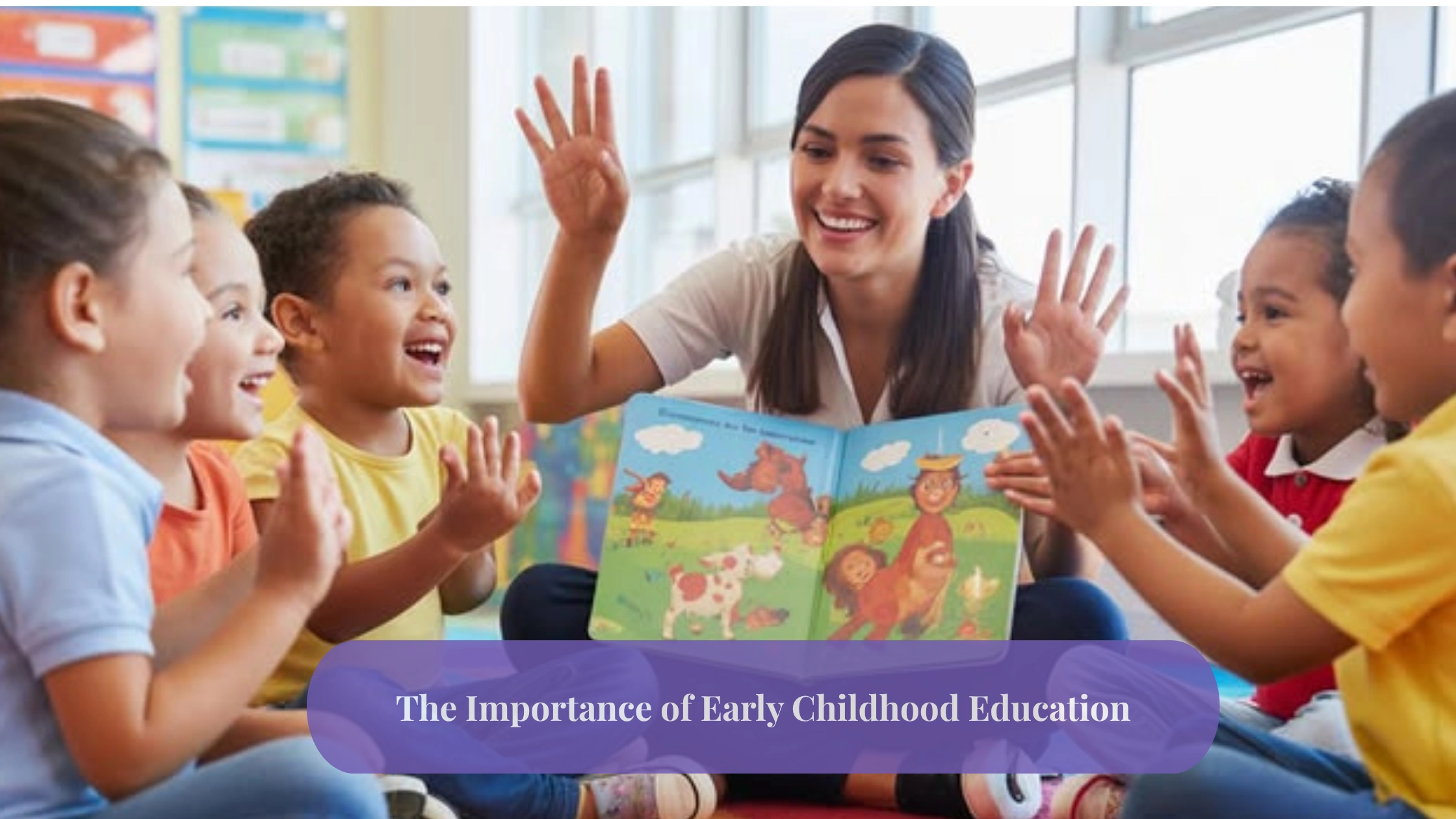
The Importance of Early Childhood Education lies in its ability to shape a child’s cognitive, emotional, social, and communication skills during the most critical years of development. Enrolling children in a structured preschool in MBZ helps build confidence, curiosity, and a strong foundation that supports lifelong learning and future success.
1. Why is early childhood education important?
How does early education influence development?
The first few years of a child’s life are a period of rapid brain development. During this stage, children absorb information, develop language skills, and learn how to interact with the world around them.
A quality daycare in Abu Dhabi provides age-appropriate learning experiences that encourage exploration, communication, and creativity. These experiences help children develop essential skills that support academic and personal growth.
Why are early experiences so impactful?
Positive learning experiences during early childhood create strong neural connections that influence how children think, learn, and solve problems later in life.
2. How does early childhood education support social and emotional growth?
Why are social skills important?
Early education introduces children to group settings where they learn sharing, cooperation, empathy, and communication. These interactions help children understand emotions and build healthy relationships.
In a nurturing Nursery in Musaffah, children participate in activities that encourage teamwork and positive social behavior. Learning to communicate effectively at a young age helps children feel more confident in school and everyday life.
How does emotional development affect learning?
Children who feel secure and supported are more likely to participate actively in learning activities and adapt successfully to new environments.
3. Why does early education create lifelong learning habits?
How do children develop a love for learning?
When learning is introduced through engaging and enjoyable experiences, children begin to view education as a positive experience. Curiosity-driven activities encourage exploration and independent thinking.
This directly relates to Why Early Education Builds Lifelong Learning Habits, where children develop discipline, motivation, and a natural interest in discovering new things.
Why is consistency important?
Consistent learning experiences help children build routines and positive attitudes toward education, which continue throughout their academic journey.
4. Can early childhood education help develop future leaders?
How does leadership begin in early childhood?
Leadership skills often begin with confidence, communication, and problem-solving. Early education provides opportunities for children to make decisions, express ideas, and work collaboratively with others.
This aligns closely with How Early Learning Creates Future Leaders, where children learn responsibility, independence, and teamwork through guided activities and classroom experiences.
Why are these skills valuable?
Children who develop leadership qualities early are often better equipped to handle challenges, communicate effectively, and contribute positively to their communities.
5. How can parents maximize the benefits of early education?
What role do parents play?
Parents are a child’s first teachers. Reading together, encouraging curiosity, and maintaining open communication strengthen the learning process outside the classroom.
Why should home and school work together?
When parents and educators support the same developmental goals, children receive consistent guidance that reinforces learning and emotional growth.
Conclusion
Early childhood education is much more than preparation for school; it is the foundation for lifelong success. Through structured learning, social interaction, and positive experiences, children develop the confidence, communication skills, and curiosity needed to thrive. By investing in quality early education, parents give their children the tools to become capable learners, responsible individuals, and future leaders