

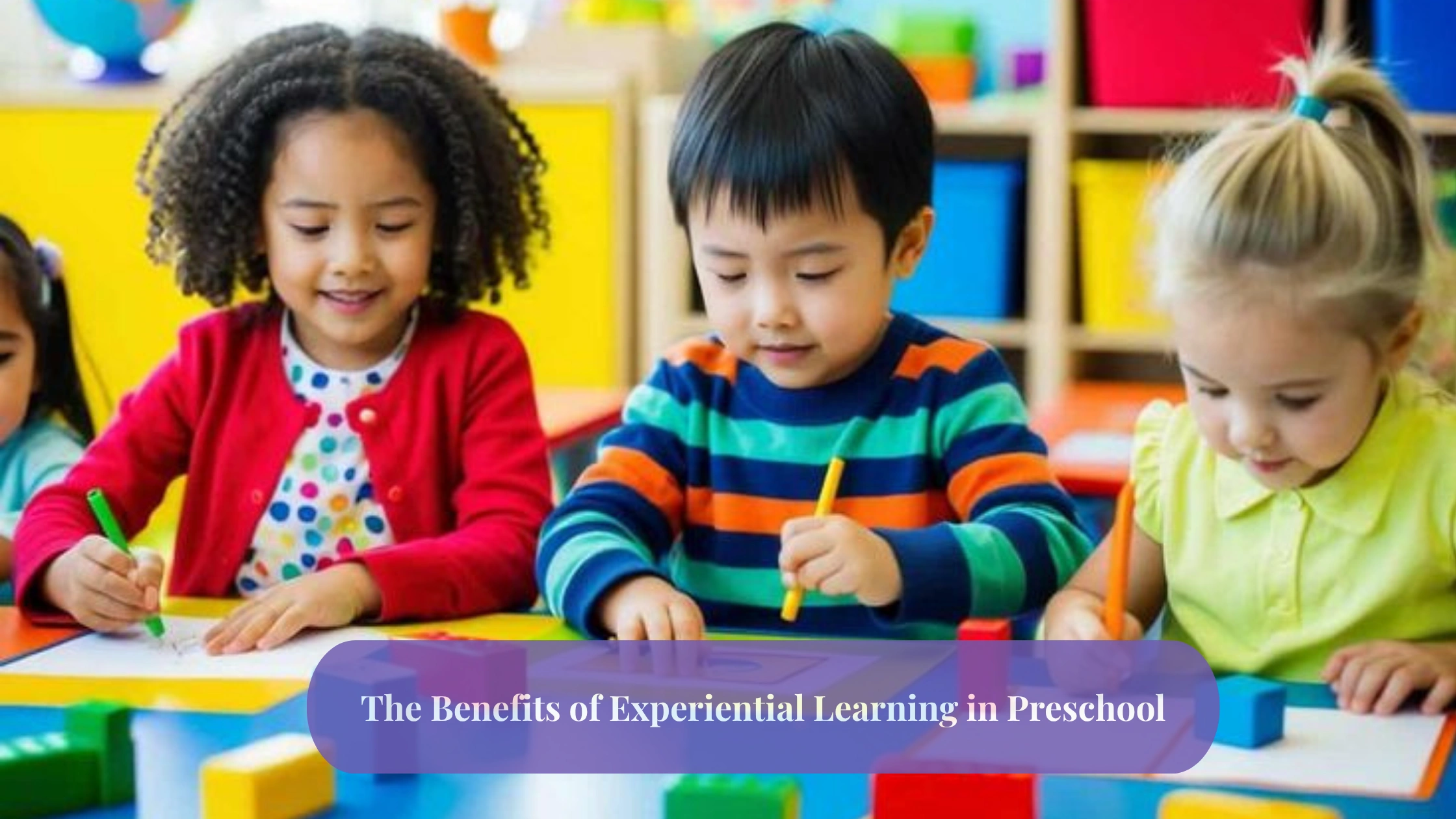
The Benefits of Experiential Learning in Preschool lie in helping children learn by doing through hands-on activities, exploration, and real-life experiences. In a structured preschool in MB, experiential learning builds curiosity, strengthens understanding, and supports emotional and cognitive development in ways traditional methods often cannot.
1. Why is experiential learning important in preschool?
How do children learn through experience?
Young children learn best when they actively participate rather than passively listen. Experiential learning allows them to touch, explore, and experiment, which improves memory and understanding.
In a quality daycare in Abu Dhabi, activities like sensory play, role-playing, and storytelling are designed to engage multiple senses. This approach helps children connect concepts with real-life situations, making learning more meaningful and enjoyable.
2. How does experiential learning improve problem-solving skills?
Why does hands-on learning build critical thinking?
When children are given opportunities to explore and experiment, they naturally encounter challenges. These moments encourage them to think, try different solutions, and learn from outcomes.
This approach closely supports concepts in How to Develop Problem-Solving Skills at Early Age, where children gain confidence by figuring things out independently. Instead of being told what to do, they learn how to think.
3. How does it support emotional and social development?
What role does interaction play?
Experiential learning often involves group activities, which help children develop communication and teamwork skills. They learn to share ideas, listen to others, and collaborate effectively.
In nurturing environments like the best Nursery in Musaffah, children participate in group-based tasks that strengthen empathy and social understanding. These experiences help them build relationships and express emotions more confidently.
4. Can experiential learning teach environmental awareness?
How do real-life activities create awareness?
Children develop a deeper connection with nature when they experience it directly. Activities like gardening, nature walks, and recycling projects help them understand their role in protecting the environment.
This aligns with How to Teach Children to Care for the Environment, where hands-on exposure builds respect and responsibility toward nature. Learning becomes more impactful when children see the results of their actions.
5. How can parents support experiential learning at home?
What simple practices make a difference?
Parents can encourage experiential learning by involving children in everyday activities such as cooking, organizing, or simple DIY projects. These experiences teach practical skills while improving confidence and independence.
Why consistency matters
When learning through experience is encouraged both at home and in preschool, children develop a natural curiosity and a love for exploring new ideas.
By combining hands-on activities with guided support, children develop critical thinking, creativity, and confidence. Whether at home or in a preschool setting, experiential learning creates meaningful experiences that shape lifelong learners.